
March 11, 2025 · 4 min read
Dryer Lint and Fire Risk: What Every Texas Homeowner Needs to Know
Dryer fires cause over 15,000 house fires per year in the U.S. — and most are preventable. Learn how to protect your Kaufman County home.
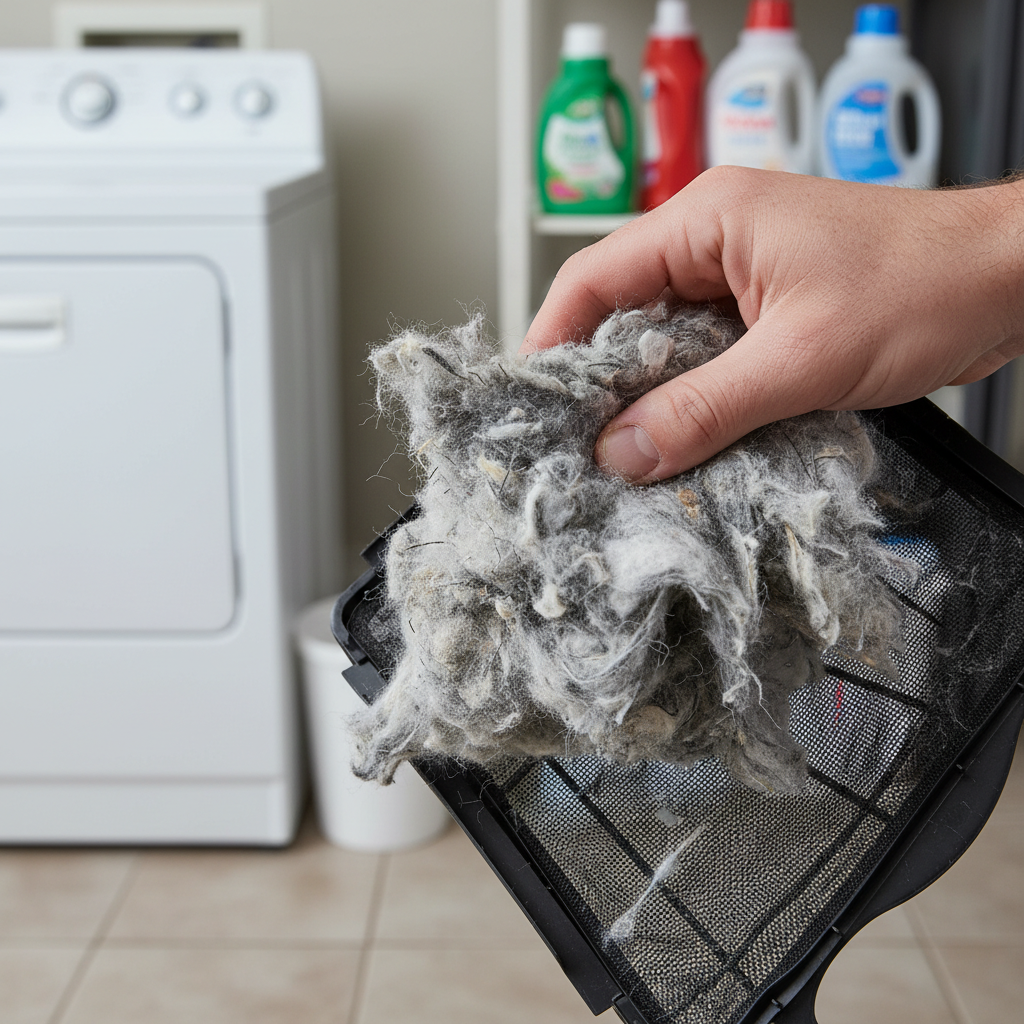
According to the National Fire Protection Association, dryers and washing machines cause an estimated 15,970 home fires every year in the United States. Dryers account for 92 percent of those fires, and the leading cause is failure to clean the machine. For homeowners in Kaufman County and across Texas, understanding dryer lint fire risk is not optional — it is essential home safety.
Why Dryer Lint Is So Dangerous
Lint is made up of tiny fabric fibers that are extremely combustible. As your dryer tumbles clothes and forces hot air through them, lint is pulled off the fabric and carried by the airflow toward the lint trap. The trap catches most of it, but a significant amount bypasses the screen and accumulates inside the dryer housing, the exhaust duct, and the vent termination cap outside your home.
Over time, this buildup restricts airflow. When airflow is restricted, the dryer runs hotter than designed. The heating element or gas burner continues to produce heat, but the hot air has nowhere to go. Internal temperatures rise to the point where the accumulated lint can ignite — and once lint catches fire inside a duct, the fire spreads rapidly through the ductwork and into the wall cavity.
Warning Signs of a Clogged Dryer Vent
Pay attention to these signals that your dryer exhaust system needs attention:
-
Clothes take longer to dry. If a normal load that used to dry in 45 minutes now takes 75 or 90 minutes, airflow is almost certainly restricted. This is the most common early warning sign.
-
The dryer feels unusually hot. The top or sides of the dryer cabinet should be warm during operation but not hot to the touch. Excessive cabinet heat means internal temperatures are elevated.
-
The laundry room feels humid. If moisture is not being properly exhausted outside, it backs up into the laundry room. You may notice condensation on windows or walls near the dryer.
-
The outside vent flap does not open. Walk outside and check the vent termination while the dryer is running. The flap should be pushed open by the airflow. If it barely moves or stays shut, the duct is blocked.
-
Burning smell during operation. This is the most urgent warning. A burning smell means lint is being heated to the point of scorching. Stop using the dryer immediately and have the vent system inspected before running another load.
How to Maintain Your Dryer Safely
Proper dryer maintenance is straightforward and can prevent the vast majority of lint-related fires:
Clean the lint trap before every load. This is non-negotiable. A full lint screen reduces airflow by up to 75 percent. If you use dryer sheets, wash the lint screen with soap and water monthly — dryer sheet residue coats the screen mesh and blocks airflow even when no visible lint is present.
Clean the exhaust duct annually. The rigid or semi-rigid duct that runs from the back of your dryer to the outside vent cap should be disconnected and cleaned at least once a year. Use a dryer vent brush kit or have it professionally cleaned. In homes where the duct run is longer than 15 feet or has multiple elbows, clean it every six months.
Replace flexible foil or vinyl ducts. If your dryer is connected to the wall with a thin, ribbed foil or white vinyl duct, replace it with rigid or semi-rigid aluminum duct. Flexible ducts trap lint in the ridges and are a leading contributor to vent blockage. Building codes in many Texas jurisdictions no longer allow flexible duct for dryer exhaust.
Do not overload the dryer. Overloading forces the dryer to run longer and hotter, generates more lint per cycle, and prevents proper tumbling that allows lint to reach the trap.
Inspect the exterior vent cap. Bird nests, wasp nests, and debris can block the vent cap from the outside. Check it seasonally and clear any obstructions.
The Hidden Danger Inside the Dryer
Even with perfect vent maintenance, lint accumulates inside the dryer housing itself — around the drum, near the heating element, behind the front bulkhead, and in the blower housing. This internal lint is not accessible through normal cleaning. Over time, it builds up to the point where it can contact the heating element directly. Professional dryer service includes opening the cabinet and clearing internal lint — something that should be done every two to three years, or sooner if you notice extended dry times or excessive heat.
Professional Dryer Service in Kaufman County
At Kaufman County Appliance Repair, we inspect the exhaust path and internal lint buildup on every dryer service call as a standard safety measure. If your dryer is running hot, taking longer to dry, or producing a burning smell, do not wait. Call (214) 440-8550 for same-day service in Forney, Kaufman, Terrell, and surrounding communities. Wade and Jake have been keeping Kaufman County families safe for over 60 years — and the service call fee is waived when we complete the repair.