
January 14, 2025 · 4 min read
Refrigerator Not Cooling? 5 Things to Check Before Calling a Technician in Forney
Before you panic about a warm fridge, run through these five checks that Forney homeowners can do themselves — and know when it's time to call a professional.
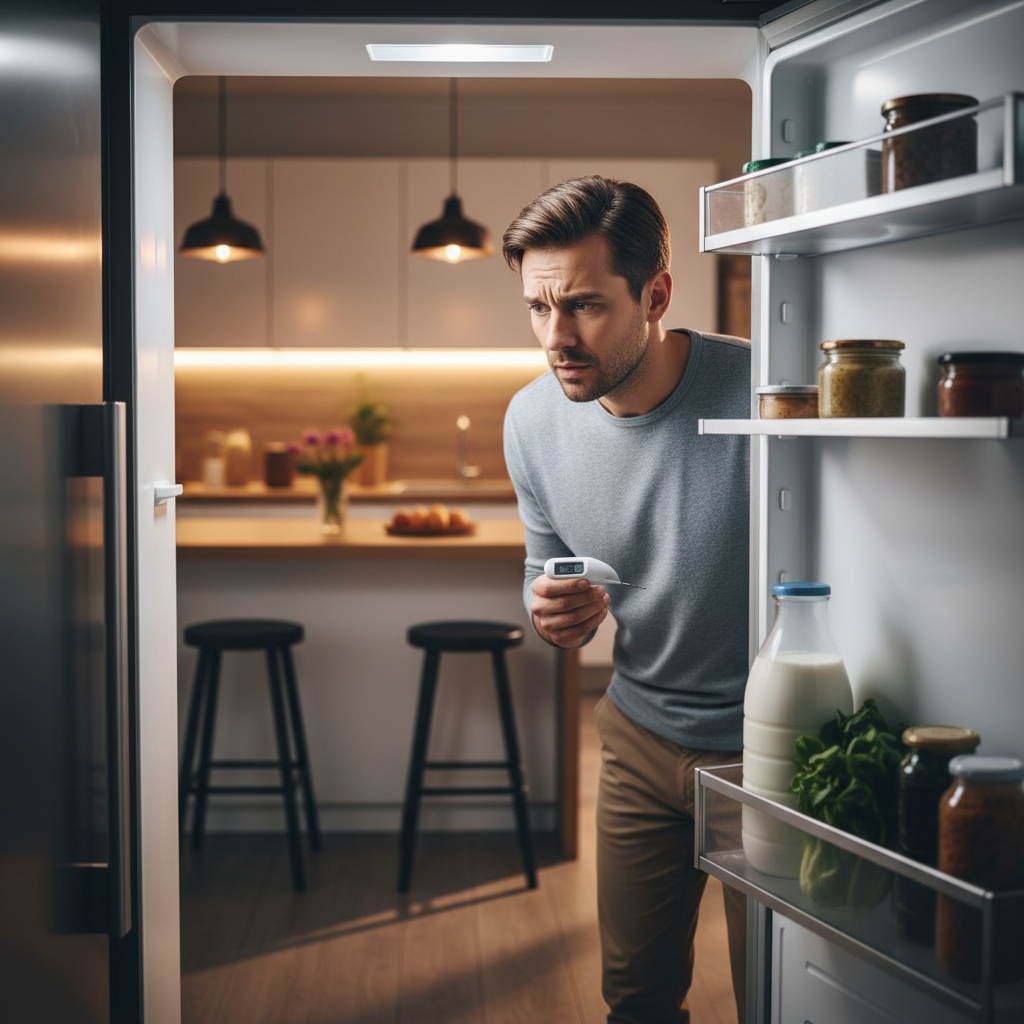
A refrigerator that stops cooling is one of the most stressful appliance failures a homeowner can face. Food safety is on the clock the moment internal temperatures start climbing above 40 degrees Fahrenheit. Before you call for professional help, there are a few things you can check yourself that may save you time and money.
1. Check the Thermostat Setting
It sounds basic, but it happens more often than you would think. Someone in the household bumps the temperature dial while putting groceries away, or a child discovers that the control knob turns. Most refrigerators should be set between 35 and 38 degrees Fahrenheit for the fresh-food section and 0 degrees for the freezer. If the dial has been moved, adjust it back and give the unit 24 hours to stabilize before assuming something is broken.
2. Inspect the Condenser Coils
The condenser coils are usually located on the back of the refrigerator or along the bottom behind a kick plate. Over time, these coils collect dust, pet hair, and kitchen grease. When the coils are clogged, the refrigerator cannot dissipate heat efficiently, and the compressor works overtime trying to keep up. Eventually, it fails to maintain temperature entirely.
Pull the refrigerator away from the wall and vacuum the coils with a brush attachment. In homes with pets, this should be done every six months. Many Forney homeowners are surprised at how much debris accumulates — and how much of a temperature difference clean coils can make.
3. Make Sure the Vents Are Not Blocked
Inside your refrigerator, cold air flows from the freezer into the fresh-food section through vents. If you have packed groceries tightly against these vents, airflow is restricted and the refrigerator section warms up even though the freezer is still cold. Rearrange items so that nothing is pressed directly against the vent openings. This is especially common after a large grocery run.
4. Test the Door Seal
Close the door on a dollar bill so that half is inside and half is outside the refrigerator. Try to pull the bill out. If it slides out easily with no resistance, the door gasket is not sealing properly and warm air is leaking in continuously. A worn gasket forces the compressor to run constantly and can prevent the unit from reaching proper temperature. Gasket replacement is a relatively inexpensive repair that makes a significant difference in cooling performance and energy bills.
5. Listen to the Compressor
Stand near the back of the refrigerator and listen. You should hear the compressor running — a low, steady hum. If you hear clicking sounds followed by silence, the compressor is trying to start but failing. This is often caused by a failed start relay, which is a small component that clips onto the compressor. A start relay replacement is one of the cheapest refrigerator repairs, typically under $50 for parts, but it produces symptoms identical to a failed compressor. This is one of the most commonly misdiagnosed refrigerator problems, and replacing the relay before condemning the compressor can save you hundreds of dollars.
When to Call a Professional
If you have checked all five of these items and your refrigerator is still not cooling properly, it is time to call a technician. Common causes that require professional diagnosis include a failed evaporator fan motor, a defrost system malfunction, a refrigerant leak, or a compressor that has truly failed.
At Kaufman County Appliance Repair, Wade and Jake diagnose refrigerator problems systematically — testing the full cooling circuit from compressor to evaporator before recommending any repair. We offer same-day service throughout Forney, Kaufman, Terrell, and surrounding areas, and the service call fee is waived when we complete the repair. Call (214) 440-8550 to schedule a visit.
Protect Your Food While You Wait
If your refrigerator has stopped cooling and you are waiting for a technician, keep the doors closed as much as possible. A full refrigerator will hold safe temperatures for about four hours with the door shut. Transfer essential items to a cooler with ice if the wait will be longer. Do not taste food to determine if it is safe — when in doubt, throw it out. The USDA food safety guidelines are a good reference for which items can be saved and which should be discarded after a temperature excursion.